
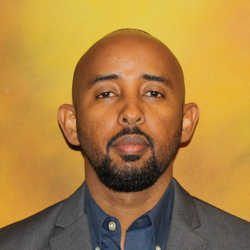
Ahmed Sh. Ibrahim
Somalia and Tanzania, USA, Ph.D. in Socio-cultural Anthropology, City University of New York, NY, Research Associate, Anthropology Lecturer, Carleton College 2026
Ecology and Anthropology in Tanzania, Carleton College
Project Description
Transitional justice and reconciliation (TJR) as a field of practice and policy intervention, as well as a subject of academic study and debate, is understood to have emerged in the 1980s and 90s. TJR and the associated processes and mechanisms, including truth commissions, persecutions, and amnesties, are viewed as crucial to enabling post-conflict societies to overcome the traumas and grievances of past conflict and build a peaceful and harmonious future. Africa has been at the forefront and a pioneer in the practice and theory of TJR, as over half the countries in the continent have instituted various forms of TJR to address internal conflict and civil strife. Somalia, a country with one of the longest running conflicts on the continent, is the latest to implement TJR measures and processes to address over three decades of conflict. This research proposes to study the reconciliation processes and mechanisms that is currently being implemented in various regions of Somalia, and that is led by the federal government in Mogadishu. The research will specifically focus on analyzing the gap between the concepts and ideas of reconciliation, and the realities of implementation at the local level. The research will be led by the following set of questions: what are the mechanisms and processes, from the local to the national level, through which national reconciliation is being implemented? Are there specific political-legal institutions and commissions to oversee and implement reconciliation? How are local communities, traditional authorities, and customary practices incorporated into the national reconciliation processes and mechanisms?
Bio
Dr. Ahmed Sh. Ibrahim (aibrahim@carleton.edu) is a socio-cultural anthropologist with a PhD from the Graduate Center, City University of New York (CUNY). He is currently an anthropology instructor with Carleton College’s Ecology and Anthropology in Tanzania program. Dr. Ibrahim has done research in the Horn of Africa and among the African diaspora in the U.S. with a focus on the history and politics of religion, political conflicts and immigration. His research has appeared in peer-reviewed academic journals, edited volumes, and popular websites such as Africa is a Country and Responsible Statecraft.